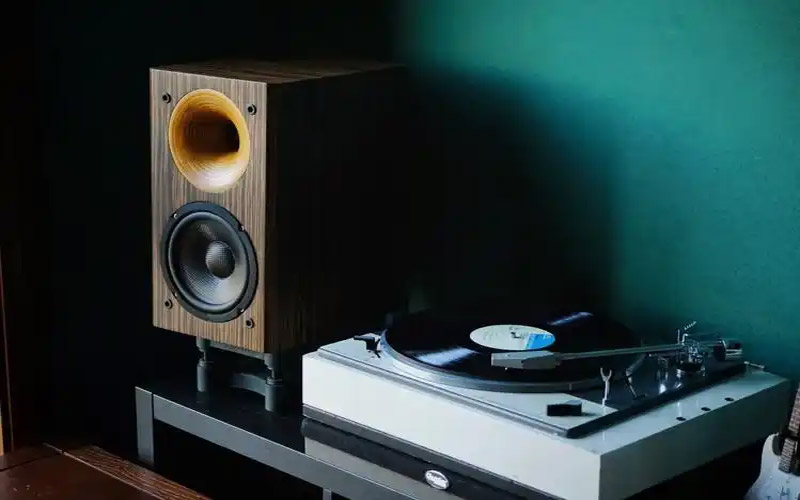
Daily maintenance of audio equipment is crucial for extending its lifespan and maintaining high-quality sound quality. Here are some key daily maintenance items for audio equipment:1. Dust prevention and cleaningUse dust cover: When not using audio equipment, a dust cover (such as a dust cloth, microphone dust cover, etc.) should be used to cover the equipment to prevent dust and dirt from entering the interior of the device.Regular dust removal: Regularly remove dust from the equipment casing and interior. It is recommended to conduct dust removal every 1 to 6 months, depending on the usage environment. You can use tools such as a hair dryer or soft brush for cleaning, but avoid using damp cloths or chemical solvents.2. Battery managementRemove battery: For devices with detachable batteries (such as handheld wireless microphones, microphone bases, remote controls, etc.), the battery should be removed when not in use for a long time to prevent battery leakage and damage to the device.Regular Charging: Even if the device is not frequently used, the battery should be charged regularly to maintain its vitality. It is recommended to charge at least once a month.3. Environmental controlAppropriate temperature and humidity: Keep audio equipment operating at an appropriate temperature (5 ° C to 40 ° C) and humidity (35% to 80% relative humidity) to extend equipment lifespan and maintain sound quality.Regular dehumidification: In humid environments, regular dehumidification treatment should be carried out to prevent equipment from getting damp.4. Equipment inspection and maintenanceCheck the connectors: Regularly inspect the connectors of the equipment to ensure that they are tightly connected and free from oxidation or corrosion. It is recommended to conduct a comprehensive inspection every 6 months.Check the hanging parts: For hanging speaker equipment, the hanging parts should be regularly checked for looseness or deformation. It is recommended to conduct an inspection every 6 months.Check the plug-in box: The plug-in box includes various types of plug-in boxes, multifunctional plug-in boxes, etc. The various joints inside the plug-in box should be checked and maintained regularly. It is recommended to conduct a comprehensive inspection every three months.5. Precautions for useAvoid overloading: Prolonged use of the volume at maximum can damage the speakers and other components of the audio system. It is recommended to control the volume at around 80% to protect the device and extend its lifespan.Avoid frequent plugging and unplugging: Frequent plugging and unplugging of plugs will accelerate their wear and aging. Reduce unnecessary plugging and unplugging operations whenever possible.Regular operation: Regularly operate the audio system at full power and full functionality to ensure that its various functions can be used normally when needed. It is recommended to run it every 6 months for about 3 hours each time.6. Storage and transportationStorage environment: Store the audio equipment in a dry and dust-proof environment, avoiding direct sunlight and moisture.Handle with care: During handling and transportation, equipment should be handled with care to avoid severe vibrations and collisions.In summary, the daily maintenance of audio equipment involves multiple aspects such as dust prevention and cleaning, battery management, environmental control, equipment inspection and maintenance, usage precautions, and storage and transportation. By following these maintenance procedures, you can ensure that your audio equipment is always in optimal condition, providing you with a high-quality auditory experience.
12-06knowledge
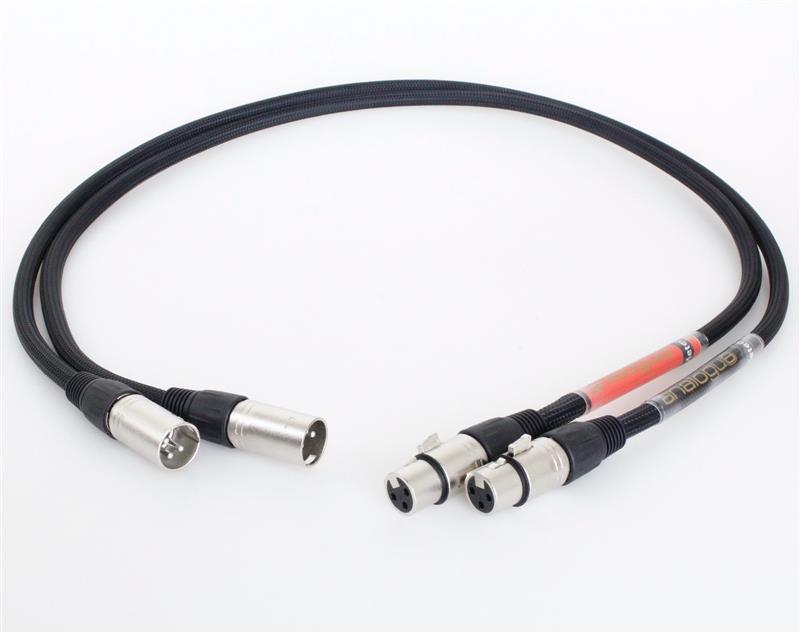
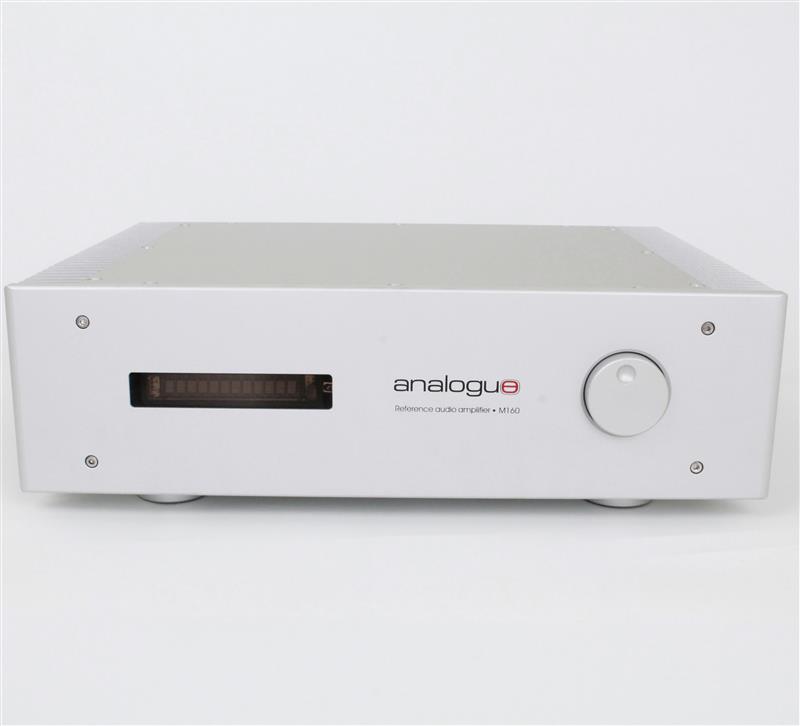
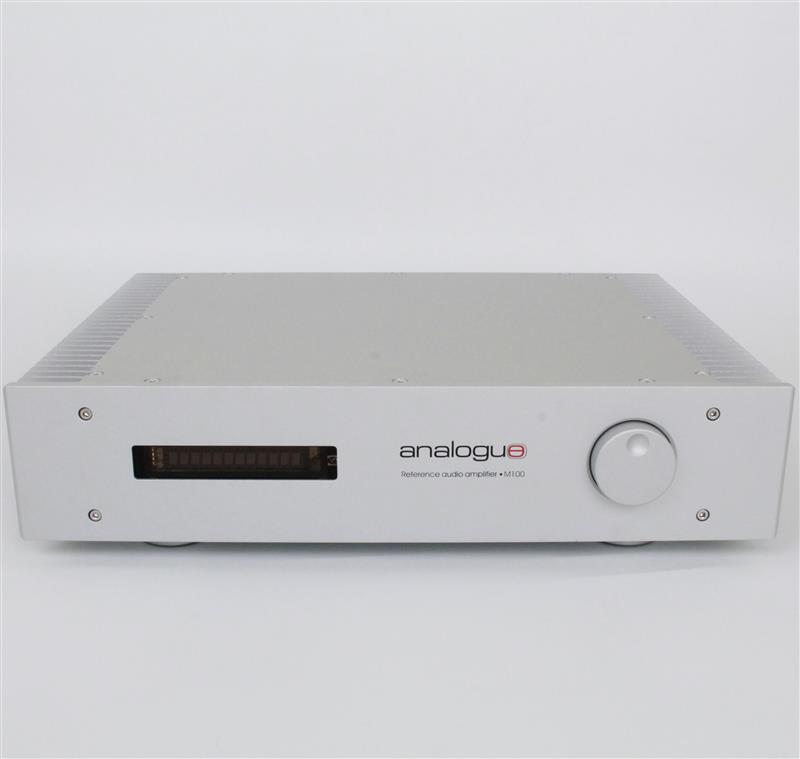
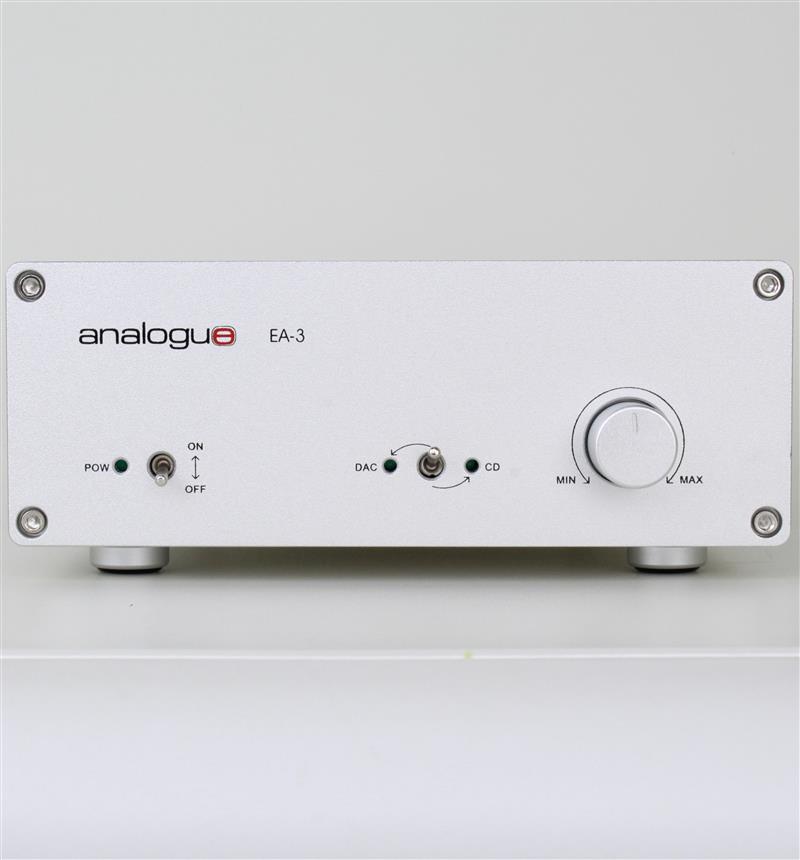
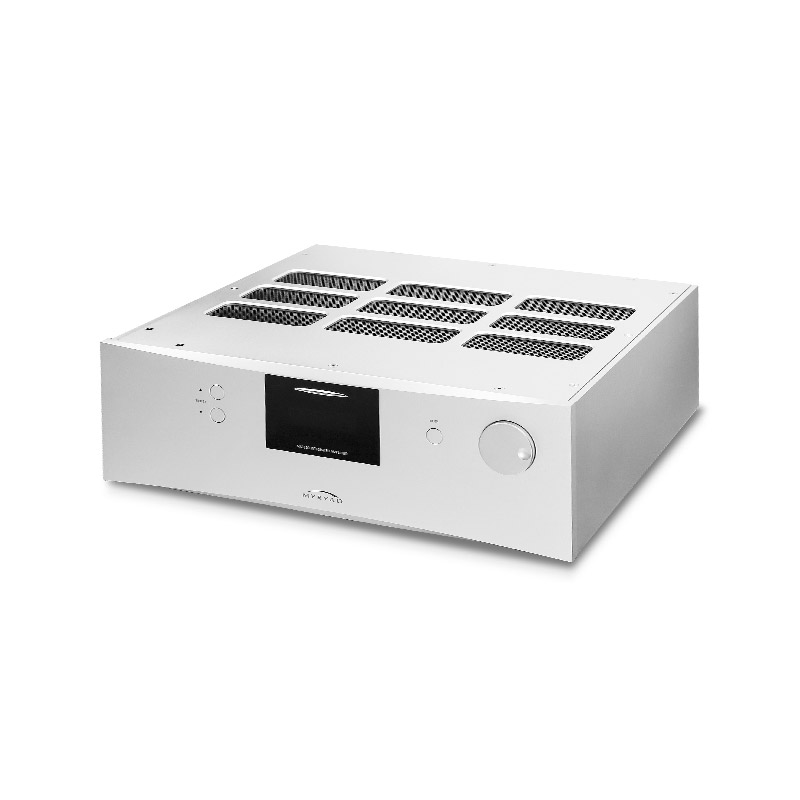
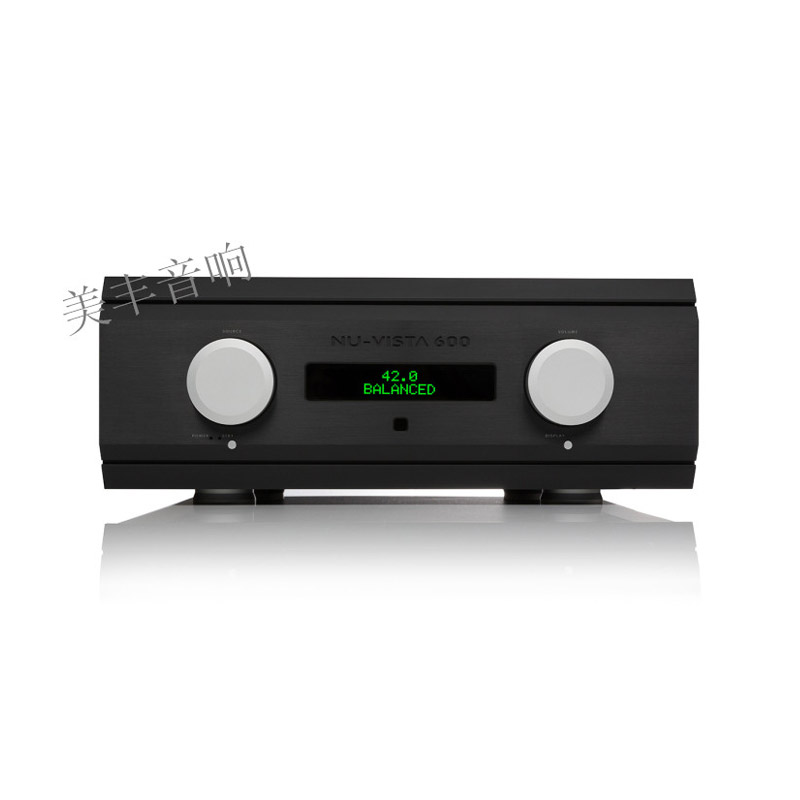
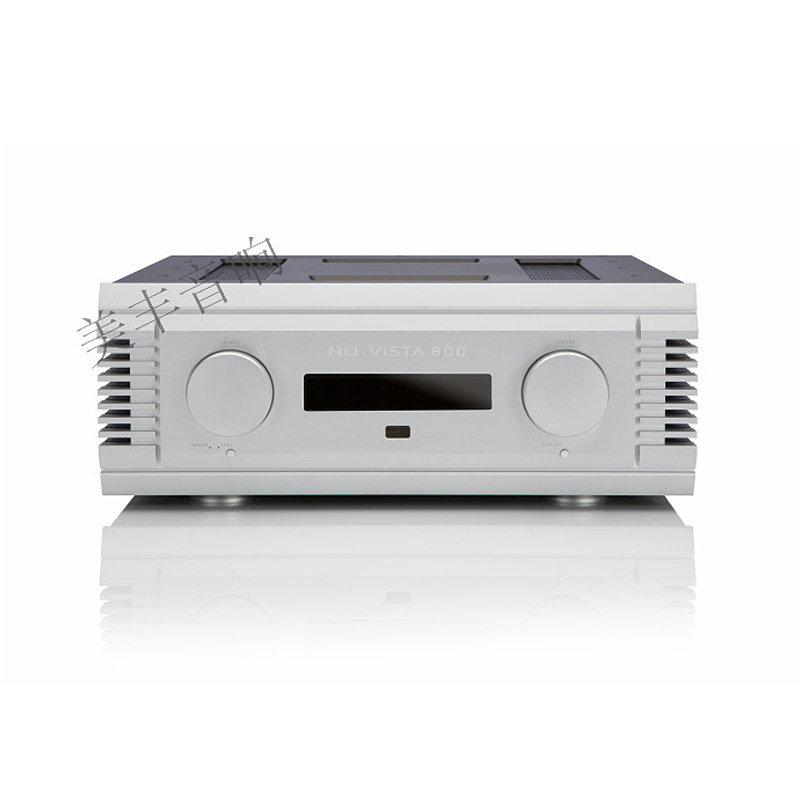
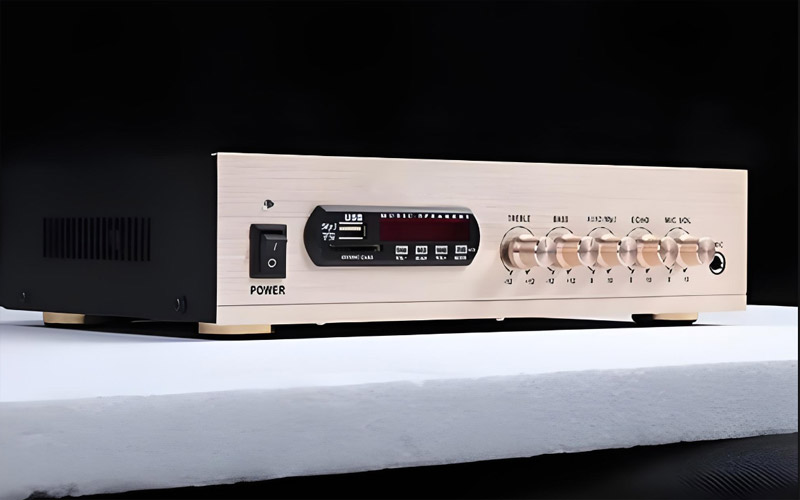
Power amplifiers play a crucial role in audio equipment, amplifying weak audio signals to drive speakers to produce clear, loud, and high-quality sound. The following are the specific functions of power amplifiers in audio equipment:1. Signal amplification:The most basic function of an amplifier is to amplify audio signals. Due to the weak signal transmitted in audio devices, it is not possible to directly drive the speaker to produce sufficient sound. Therefore, an amplifier is needed to increase the signal strength.2. Sound quality optimization:An amplifier not only amplifies signals, but also optimizes sound quality. Advanced amplifiers have sound quality and balance adjustment functions, which can enhance or weaken the high and low frequency parts of audio, improve the sound quality of audio, and make it clearer and more natural.3. Multi channel output:With the upgrade of home entertainment systems, more and more audio equipment supports multi-channel output. An amplifier needs to have multi-channel output function to distribute different audio signals to different speakers, achieving a more three-dimensional and immersive sound experience.4. Signal decoding and pre amplification:In some advanced power amplifiers, the front-end amplifier is responsible for signal decoding, pre amplification, and control, providing functions such as input signal selection and volume control. This helps ensure the accuracy and stability of the audio signal, providing high-quality input signals for the subsequent amplifier.5. Driver speaker:The ultimate goal of an amplifier is to drive the speaker to produce sound. By amplifying audio signals and providing sufficient power, power amplifiers can ensure that speakers produce clear, loud, and undistorted sound.In summary, power amplifiers are an indispensable part of audio equipment. It not only amplifies audio signals, but also optimizes sound quality, supports multi-channel output, and drives speakers to produce high-quality sound. When choosing an amplifier, it is necessary to choose the appropriate model and brand based on one's own needs and budget to ensure the best auditory experience.
12-06knowledge
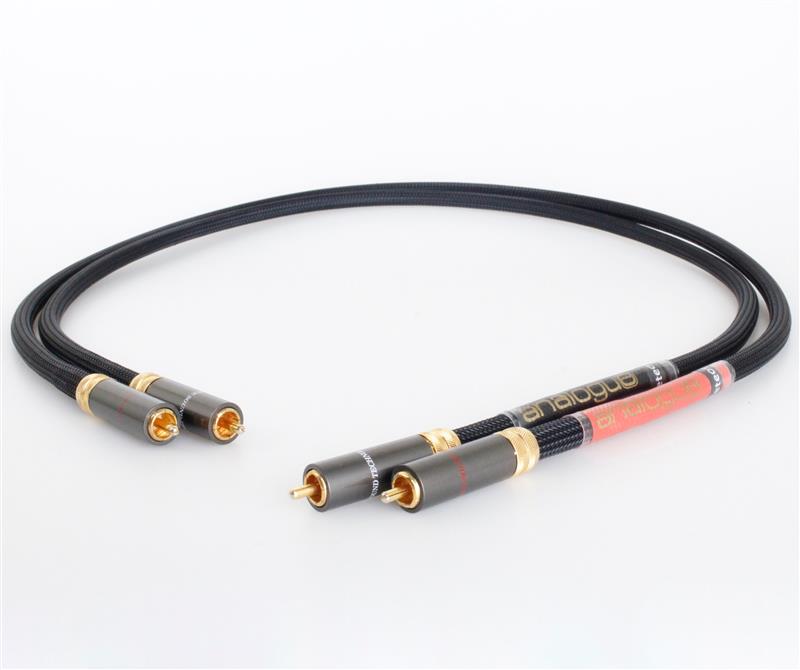
Choosing the right audio equipment for oneself is a complex process that involves multiple factors such as personal preferences, usage scenarios, budget, and technical specifications. Here are some key steps and suggestions to help you make wise choices:1. Clearly define the usage scenario:Home Theater: If you want to enjoy the movie watching experience at home, a complete home theater sound system including front, center, rear, and subwoofer would be the ideal choice.Music Appreciation: If you are more focused on music appreciation, especially high fidelity music, then you may need a stereo sound system that emphasizes sound quality restoration.Game entertainment: For gamers, a sound system that provides clear sound positioning and a sense of gaming atmosphere is particularly important.2. Determine budget:The price range of audio equipment is wide, ranging from a few hundred yuan to several hundred thousand yuan. Clarifying your budget range can help narrow down your choices and avoid unnecessary entanglements.3. Understand audio parameters:Power: The higher the power, the larger the volume and dynamic range of the speaker, but not necessarily the better. It needs to be selected according to personal needs and usage environment.Frequency response: The wider the frequency response range, the more sound details the speaker can reproduce.Sensitivity: The higher the sensitivity, the louder the sound produced by the speaker at the same power.Impedance: Impedance is related to the matching between the speaker and the amplifier. Typically, the impedance of a home speaker is 4 Ω or 8 Ω.4. Trial listening and comparison:Try to go to physical stores or professional audio stores for trial listening as much as possible, and personally experience the differences in sound quality, timbre, and sound positioning between different brands and models of audio.Compare the performance of different speakers when playing the same music or movie clips, and find the speaker that best matches your auditory preferences.5. Consider compatibility and scalability:Ensure that the selected audio equipment is compatible with your other audio devices such as TV, player, amplifier, etc.Consider whether it is necessary to expand the audio system in the future, such as adding more speakers or upgrading amplifiers.6. View user reviews and recommendations:Before purchasing, check other users' reviews and recommendations of the audio equipment to understand the actual performance and potential issues of the product.7. Choose a reliable brand and after-sales service:Choose well-known brands and audio products with good after-sales service to ensure product quality and reliability of after-sales service.In summary, selecting the right audio equipment for oneself requires comprehensive consideration of multiple factors. By clarifying the usage scenario, determining the budget, understanding the audio parameters, conducting trial listening comparisons, considering compatibility and scalability, reviewing user reviews and recommendations, and selecting reliable brands and after-sales services, you can more accurately find the most suitable audio equipment for yourself.
12-06knowledge
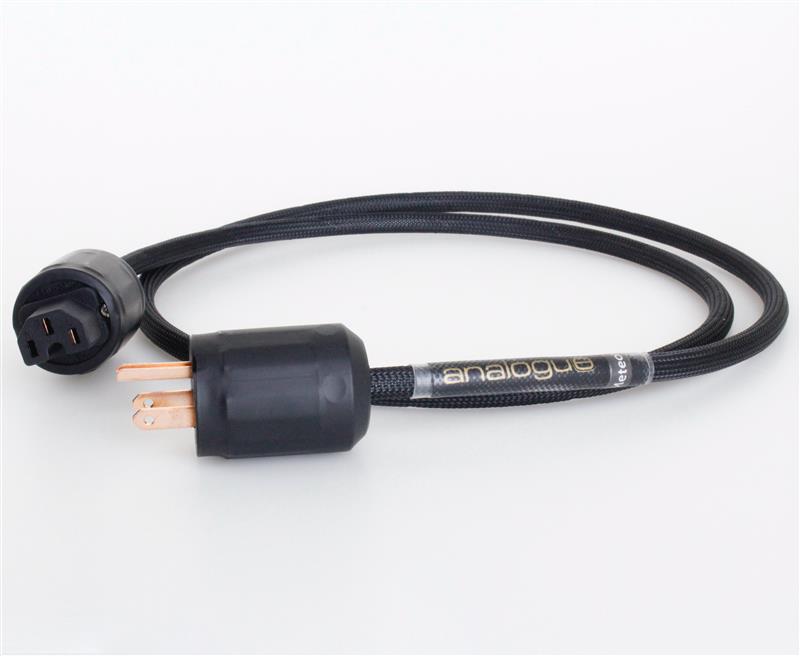
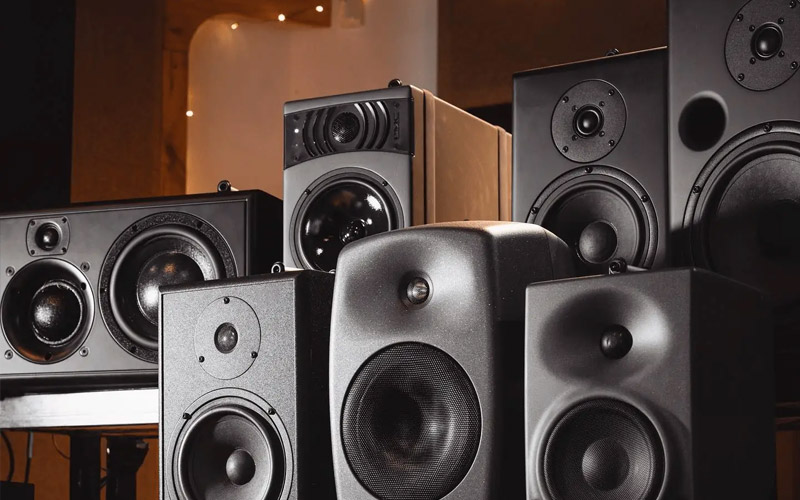
The quality of speaker equipment depends on multiple factors, which together determine the sound quality, performance, and durability of the speaker. Here are some key factors:Factors related to the speaker itselftexture of materialThickness: Speakers with a certain thickness are more likely to output good sound quality. The material of this type of speaker is generally solid wood, thick synthetic materials (such as resin, plastic, etc.), and may use some metal accessories.Weight: Speakers that are too light may produce noise or even be displaced by vibration. Thin shell plastic speakers are a typical representative of this problem.Hardness: The front of the speaker should have sufficient hardness to reduce sound attenuation.Output power of power amplifier boardThe more stable the output power and stronger the amplification capability of the power amplifier board, the better the sound quality is usually. Meanwhile, the smaller the distortion rate of the amplifier IC, the better.PCB circuit layoutHigh quality PCB board design can minimize performance degradation, while poorly designed PCB boards may lead to performance degradation and mutual interference.The quality and material of the hornSpeaker is an important factor affecting the sound quality of a speaker. Even if the materials of the amplifier board and speaker are good, if the sound quality of the speaker is poor, the overall output sound quality will also deteriorate. A good speaker should display clear and bright bass, and strong and powerful treble.Decoding chips and electronic componentsA good, high-end decoding chip can significantly improve sound quality. Meanwhile, the quality and stability of electronic components such as inductors, capacitors, and resistors are also crucial.Structural DesignThe external and internal shapes of a speaker can affect the propagation and reflection of sound, thereby affecting the sound quality.Frequency dividerThe frequency divider is responsible for distributing audio signals to different unit speakers. Its quality and design can also affect sound quality.External factorsSignal sourceThe quality of the signal source directly affects the sound quality of the speaker. If the signal source has noise or loses certain signal components, these noise and lost components will be amplified by the amplifier, thereby affecting the sound quality.Acoustic environmentThe acoustic characteristics of the room space where the speaker is located, such as resonance, reflection, sound absorption, etc., can affect the sound quality. For example, indoor speakers may have the illusion of poor sound quality due to echoes, while outdoor speakers may be affected by noisy environments.Power qualityThe purity and stability of the power supply also have a certain impact on the sound quality of the speaker. Unstable power supply may cause unstable speaker output, affecting sound quality.Other factorsBrand and Manufacturing ProcessFamous brands usually have more reliable manufacturing processes and quality control systems, so the quality of speakers is usually higher.Durability and reliabilityThe durability and reliability of speakers are also important indicators for measuring their quality. This includes the speaker's ability to withstand drops, vibrations, and long-term stability.In summary, the quality of speaker equipment depends on the combined effect of multiple factors. When choosing speakers, consumers should consider the above factors comprehensively based on their own needs and budget, in order to choose the most suitable speaker equipment for themselves.

12-06knowledge